Nov 20, 2025
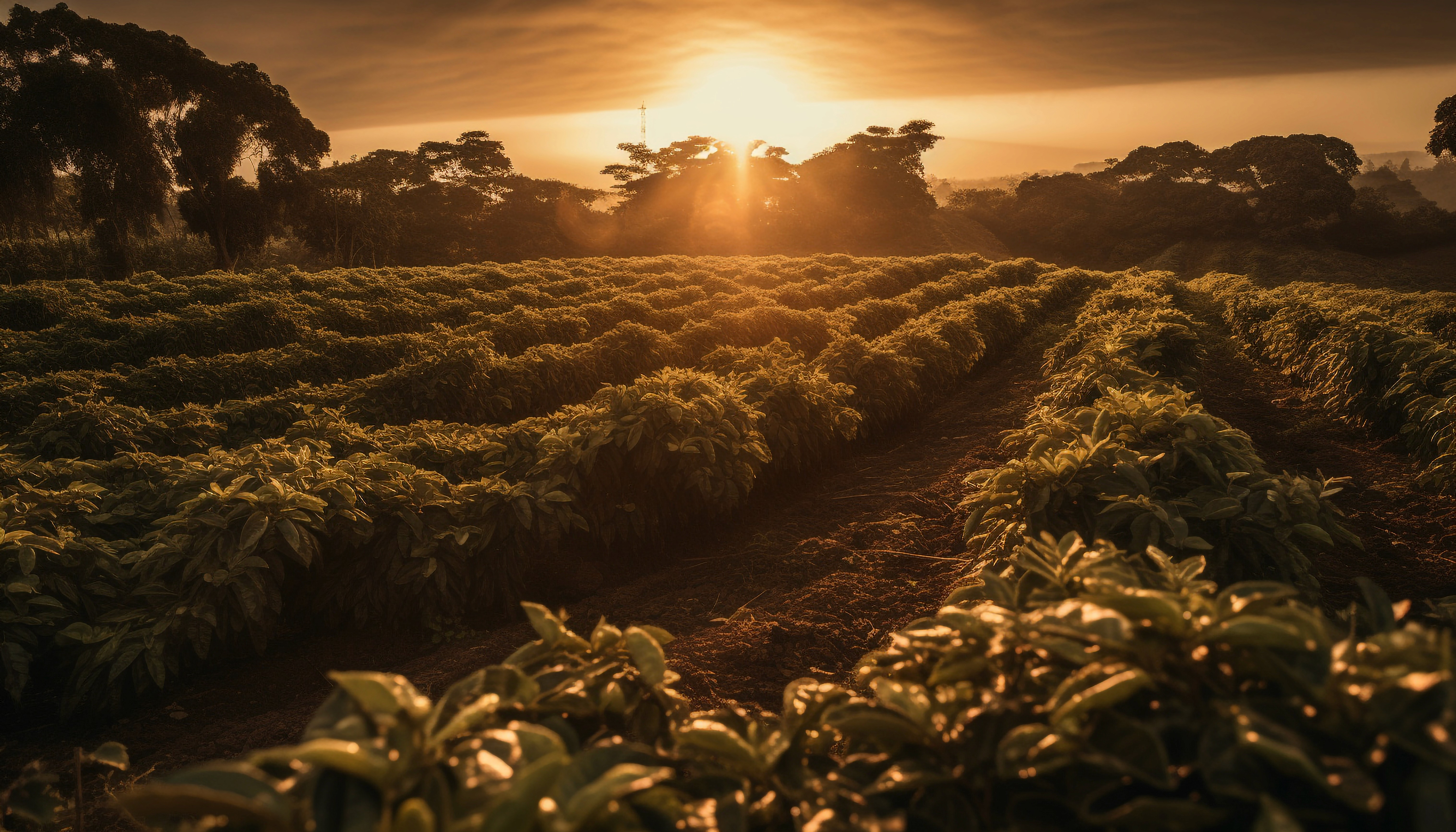
The Diamond Group continuously advances in the construction of a sustainable agricultural model, applying practices that combine technology, respect for the environment, and superior product quality. The process of producing specialty coffees requires careful decisions at all stages, from soil preparation to post-harvest processing, and therefore new sustainability guidelines have been incorporated into the group's farms.
How we are raising the standard of cultivation
Integration of climate sensors and digital monitoring to adjust irrigation, nutrition, and management in real-time, reducing resource waste.
Implementation of complete traceability from the plot to the final batch, ensuring total transparency for consumers and business partners.
Expansion of agroecological systems and regenerative practices that preserve biodiversity, strengthen the soil, and reduce dependence on chemical inputs.
Adoption of drying and post-harvest processes with lower energy consumption, utilizing renewable energy.
Installation of a climate tower for climate monitoring, to optimize management and reduce resource waste.
Sensorial and environmental impacts
Coffees grown under sustainable management exhibit greater aromatic complexity, roast uniformity, and consistency between harvests. Additionally, the practices implemented reduce the water and carbon footprint, strengthening the Diamond Group's commitment to a more responsible and efficient supply chain.
Why this matters
Consumers and international buyers are increasingly aware of the socio-environmental impact of the coffee they consume. Constantly raising standards is essential for competitiveness, productive longevity, and preservation of the natural resources of producing regions.